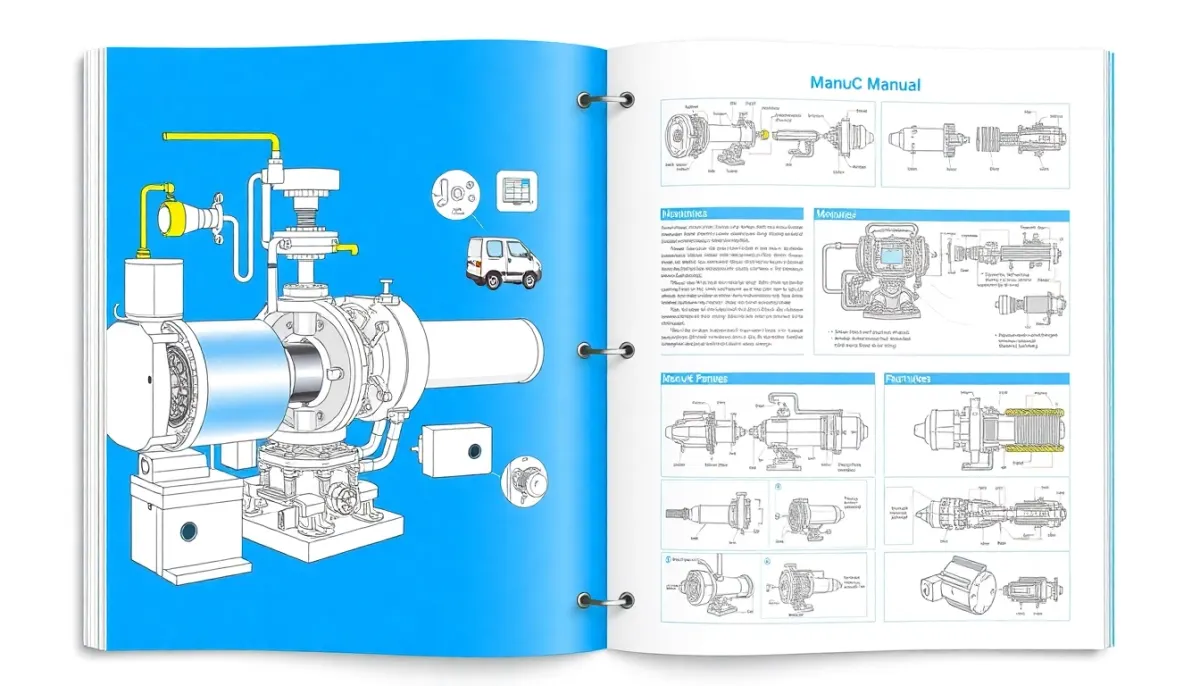
Automated Manufacturing Training Documentation Tool
Streamline employee training with an automated technical documentation tool, reducing errors and improving productivity in the manufacturing industry.
Streamlining Employee Training in Manufacturing with Automated Technical Documentation
The manufacturing industry is a complex and rapidly evolving field, where the ability to efficiently train employees is crucial for productivity, quality, and competitiveness. Traditional methods of employee training, such as manual documentation and face-to-face instruction, can be time-consuming, error-prone, and costly.
In today’s digital age, there is an increasing need for innovative solutions that can help streamline employee training in manufacturing. This blog post will explore the concept of using automated technical documentation tools to support employee training, highlighting their benefits, potential challenges, and examples of how they can be implemented in a manufacturing setting.
Current Challenges with Technical Documentation and Employee Training in Manufacturing
Manufacturing environments often face unique challenges when it comes to creating and maintaining accurate technical documentation and providing effective employee training. Some of the common issues include:
- Inefficient documentation processes: Manual documentation methods can be time-consuming, prone to errors, and difficult to maintain over time.
- Insufficient training content: The complexity of manufacturing processes makes it challenging to develop comprehensive and relevant training materials that cater to diverse skill levels and learning styles.
- Outdated or incomplete documentation: Technical documents may become outdated quickly due to changes in production processes, equipment, or regulations, leading to a lack of confidence among employees when implementing new procedures.
- Inadequate access control: With numerous employees working with sensitive information and machinery, proper access controls are crucial to prevent data breaches and unauthorized activities.
- Limited scalability: Traditional documentation methods often struggle to keep pace with growing organizations, making it essential to adopt flexible solutions that can adapt to changing needs.
Solution
Our automated technical documentation tool, designed specifically for employee training in manufacturing, streamlines the learning process and improves overall productivity.
Key Features
- Automated Documentation Generation: Automatically creates interactive documentation based on user input, ensuring that information is up-to-date and accurate.
- Personalized Training Paths: Tailors training content to individual employees’ skill levels and learning styles, reducing downtime and increasing efficiency.
- Real-time Feedback Mechanism: Enables instructors to track employee progress and provide immediate feedback, enhancing the overall training experience.
- Video Content Integration: Seamlessly incorporates video tutorials into documentation, providing a more engaging and effective learning environment.
Implementation Considerations
- Data Integration: Requires seamless integration with existing Learning Management Systems (LMS) or human resource information systems to facilitate user data management.
- Customization Options: Allows for the customization of training content, including branding, layout, and formatting options, ensuring a cohesive brand experience.
Technical Requirements
- Cloud-Based Infrastructure: Hosts on cloud-based servers to ensure scalability and reliability.
- Artificial Intelligence (AI) Integration: Incorporates AI-powered tools to enhance automation capabilities and improve the overall user experience.
Use Cases
An automated technical documentation tool can revolutionize the way employees learn and work in a manufacturing environment. Here are some use cases that demonstrate its potential:
1. On-the-Fly Knowledge Sharing
Employees can access up-to-date documentation on their mobile devices or laptops, eliminating the need for lengthy training sessions.
2. Reduced Training Time and Costs
With an automated system, employees can quickly learn new skills and procedures, reducing the time and cost associated with traditional training methods.
3. Improved Compliance and Quality Control
Automated documentation ensures that critical safety information is up-to-date and easily accessible to all personnel, reducing the risk of non-compliance and improving overall quality control.
4. Enhanced Employee Engagement and Retention
Interactive documentation and gamification features can make learning more engaging and fun, leading to higher employee satisfaction and retention rates.
5. Streamlined Onboarding and New Hire Integration
Automated documentation tools can automate new hire paperwork, create personalized knowledge paths, and integrate with existing HR systems, making the onboarding process smoother and more efficient.
6. Real-Time Reporting and Analytics
The system provides real-time analytics and reporting capabilities, allowing managers to track employee progress, identify areas for improvement, and make data-driven decisions.
7. Collaborative Knowledge Sharing Across Teams
Employees can share knowledge and expertise across teams, reducing information silos and improving overall collaboration and communication within the organization.
Frequently Asked Questions
- Q: What is an automated technical documentation tool?
A: An automated technical documentation tool is a software solution that automatically generates and updates technical documentation for employee training in manufacturing. - Q: How does it help with employee training?
A: This tool streamlines the process of creating, updating, and sharing documentation, allowing employees to access relevant information quickly and efficiently. - Q: What types of industries can benefit from this tool?
A: Industries with complex equipment, manufacturing processes, or high volumes of production can greatly benefit from an automated technical documentation tool. - Q: Is it compatible with all types of manufacturing operations?
A: This tool is designed to accommodate a wide range of manufacturing operations and industries, including assembly lines, cleanrooms, and more. - Q: What kind of training data is required to set up the tool?
A: Minimal setup data is required. Users typically need to input product information, procedure documentation, and existing training materials. Conclusion
Implementing an automated technical documentation tool can significantly enhance the employee training process in manufacturing by providing a centralized and up-to-date resource for knowledge sharing. By leveraging AI-powered features such as auto-generated documentation, real-time updates, and personalized learning paths, employees can access relevant information quickly and easily, reducing the time spent on searching for information.
Some key benefits of an automated technical documentation tool include:
- Improved knowledge retention through interactive simulations and multimedia content
- Enhanced collaboration among team members through version control and commenting features
- Reduced training costs through reduced manual documentation efforts
- Faster onboarding times for new employees due to streamlined access to necessary information
Overall, integrating an automated technical documentation tool into the employee training process can lead to increased productivity, improved job performance, and a more efficient transfer of knowledge within the organization.