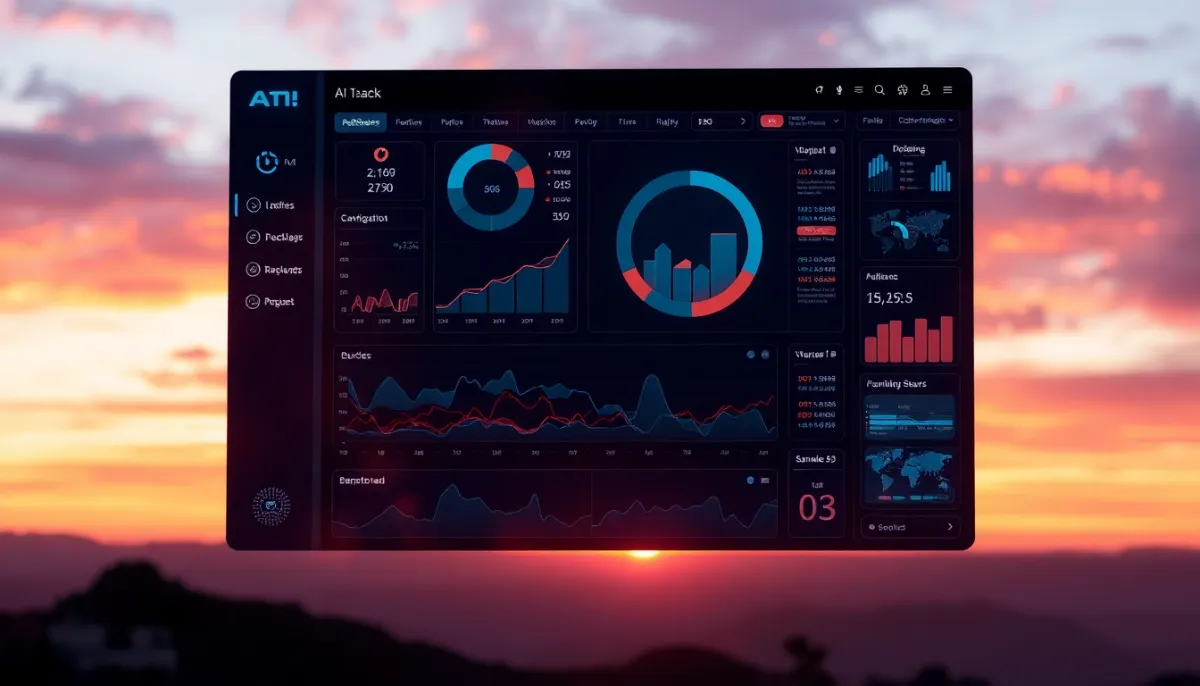
Automate trend detection in data science with our AI model deployment system, streamlining team workflows and accelerating insights.
Introducing AI Model Deployment Systems: A Game-Changer for Trend Detection
The world of data science has witnessed a significant evolution in recent years, with the rise of Artificial Intelligence (AI) and Machine Learning (ML) technologies. As datasets grow larger and more complex, organizations are faced with the challenge of extracting valuable insights from their data to inform business decisions. One critical aspect of this process is trend detection – identifying patterns and anomalies in data that can help predict future outcomes.
However, deploying AI models for trend detection poses a significant hurdle: ensuring seamless integration with existing workflows, scalability, and reliability. That’s where an AI model deployment system comes into play. These systems bridge the gap between developing and deploying AI models, providing a robust infrastructure to manage the entire lifecycle of machine learning projects. In this blog post, we’ll delve into the world of AI model deployment systems and explore their role in revolutionizing trend detection in data science teams.
Problem
Trend detection is a critical aspect of data science teams, enabling them to make informed decisions and drive business growth. However, the process of identifying trends in large datasets can be time-consuming and prone to errors. Current trend detection methods often rely on manual analysis, which can lead to:
- Inaccurate or incomplete insights: Manual analysis is susceptible to human bias and limitations, resulting in inaccurate or incomplete insights.
- Scalability issues: As data volumes grow, manual analysis becomes increasingly challenging, leading to scalability issues.
- Lack of transparency: The trend detection process can be opaque, making it difficult for stakeholders to understand the underlying reasoning behind the detected trends.
Common challenges faced by data science teams in trend detection include:
- Handling missing values and outliers
- Choosing the right algorithm and hyperparameters
- Interpreting complex results
- Integrating with existing workflows
Solution Overview
Our proposed AI model deployment system for trend detection is designed to streamline the process of deploying machine learning models into production environments.
System Architecture
- Model Serving Platform: Utilize a cloud-based model serving platform such as Google Cloud AI Platform, Amazon SageMaker, or Azure Machine Learning to host and manage the deployed models.
- API Gateway: Implement an API gateway to provide a unified interface for interacting with the deployed models. This can be achieved using frameworks like Flask or Django.
Data Ingestion and Processing
- Data Storage: Use a distributed data storage solution such as Apache Hadoop Distributed Filesystem (HDFS) or Amazon S3 to store raw data.
- Data Preprocessing: Leverage libraries such as Pandas, NumPy, and Scikit-learn for efficient data preprocessing tasks.
Trend Detection Algorithm
- Machine Learning Algorithm: Employ a suitable trend detection algorithm such as ARIMA, Prophet, or LSTM networks.
- Hyperparameter Tuning: Utilize techniques like Grid Search or Random Search to optimize hyperparameters for improved model performance.
Deployment and Monitoring
- Model Versioning: Implement a versioning system to track changes made to the deployed models.
- Monitoring and Alerts: Set up a monitoring system using tools such as Prometheus, Grafana, or New Relic to detect anomalies and trigger alerts when necessary.
Use Cases
Our AI model deployment system is designed to support various use cases across different industries and domains. Here are a few examples:
- Predictive Maintenance: Deploy our model to detect equipment failures in industrial settings, allowing for proactive maintenance and reducing downtime.
- Customer Churn Prediction: Use our system to identify high-risk customers in the financial sector, enabling targeted marketing campaigns and improved customer retention.
- Anomaly Detection in IoT Data: Deploy our model to identify unusual patterns in IoT sensor data, helping to detect potential security breaches or equipment malfunctions.
- Sentiment Analysis for Social Media Monitoring: Integrate our system with social media listening tools to analyze public sentiment around brands, products, or services.
- Supply Chain Risk Assessment: Use our model to predict supply chain disruptions based on historical trends and market data, enabling proactive risk management.
- Healthcare Outlier Detection: Deploy our model to identify unusual patterns in patient data, helping to detect potential health issues before they become major concerns.
By automating trend detection and analysis, our system can help organizations make data-driven decisions faster and more accurately.
Frequently Asked Questions
General Questions
- What is an AI model deployment system?: An AI model deployment system is a platform that allows data scientists to deploy their machine learning models into production-ready environments, enabling real-time trend detection and automation of business processes.
Support and Resources
- What kind of support does your team offer?: Our dedicated support team is available 24/7 to assist with any questions or concerns. We also provide extensive documentation, tutorials, and community forums for self-serve solutions.
Conclusion
In conclusion, a well-designed AI model deployment system is crucial for efficient trend detection in data science teams. By leveraging a cloud-based platform with scalable infrastructure and automated deployment processes, organizations can ensure reliable and secure model monitoring.
Some key benefits of implementing an AI model deployment system include:
- Faster Time-to-Insight: With automated deployment and model monitoring, data scientists can quickly identify trends and make informed decisions.
- Improved Model Performance: Regularly updated models and version control ensure that the most accurate predictions are being used in production.
- Reduced Risk of Data Drift: By continuously monitoring model performance and retraining as needed, organizations can mitigate the risk of data drift and maintain predictive accuracy.
By integrating an AI model deployment system into their workflow, data science teams can unlock the full potential of trend detection and drive business success.