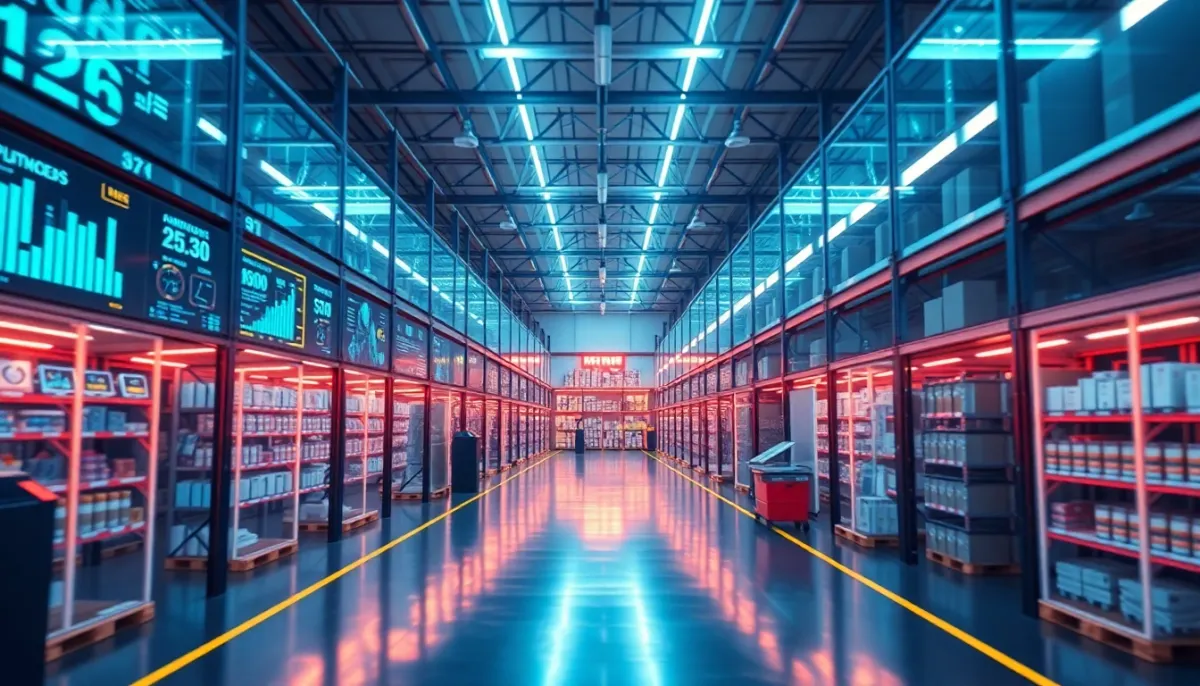
AI-Powered Inventory Forecasting for E-Commerce Success
Predict and optimize your e-commerce inventory with our AI-driven analytics platform, ensuring maximum stock levels, reduced waste, and increased sales.
Unlocking Accurate Inventory Forecasts with AI Analytics in E-commerce
The world of e-commerce is rapidly evolving, with online shopping becoming an increasingly popular way to buy and sell goods. However, managing inventory levels can be a significant challenge for e-commerce businesses. Overstocking or understocking can result in lost sales, wasted resources, and decreased customer satisfaction.
To stay competitive, e-commerce companies need to make informed decisions about inventory management. One effective strategy is to leverage artificial intelligence (AI) analytics platforms that can analyze historical data, real-time trends, and external factors to predict future demand.
Common Challenges Faced by E-commerce Businesses with Inventory Forecasting
Implementing an effective AI-powered inventory forecasting system can be challenging due to several reasons. Some of the most common issues faced by e-commerce businesses include:
- Data quality and availability: Inconsistent, incomplete, or inaccurate data can lead to poor forecasting accuracy.
- Scalability: As the business grows, the volume of data increases exponentially, making it difficult for traditional forecasting methods to keep up.
- Integration with existing systems: Seamlessly integrating AI analytics with existing inventory management and e-commerce platforms can be a complex task.
- Interpretation of results: Understanding the insights generated by AI-powered forecasting models requires specialized expertise.
- Change management: Adapting to new forecasts and making necessary adjustments to inventory levels, ordering, and shipping processes can be time-consuming.
These challenges highlight the need for an intuitive, user-friendly, and scalable AI analytics platform that can help e-commerce businesses overcome these hurdles and achieve accurate inventory forecasting.
Solution Overview
Our AI analytics platform provides an effective solution for e-commerce companies to improve their inventory forecasting capabilities. By leveraging machine learning algorithms and advanced data analysis techniques, our platform can help businesses accurately predict demand, reduce stockouts, and optimize inventory levels.
Key Features
Predictive Analytics Engine
Our platform is powered by a sophisticated predictive analytics engine that uses historical sales data, seasonality, and market trends to forecast future demand. This engine incorporates various machine learning algorithms, including ARIMA, LSTM, and Prophet, to provide accurate and reliable predictions.
Real-time Data Integration
The platform seamlessly integrates with popular e-commerce systems, such as Shopify, Magento, and WooCommerce, allowing for real-time data ingestion and analysis. This ensures that forecasts are based on up-to-the-minute sales data, enabling businesses to make informed decisions quickly.
Personalized Recommendations
Our AI analytics platform provides personalized product recommendations based on historical customer behavior, seasonality, and market trends. These recommendations help businesses optimize their inventory levels, reduce waste, and increase sales.
Implementation Process
- Data Collection: Collect historical sales data from e-commerce systems.
- Model Training: Train the predictive analytics engine using machine learning algorithms.
- Integration: Integrate the platform with e-commerce systems for real-time data ingestion.
- Deployment: Deploy the platform, providing a centralized dashboard for forecasting and analysis.
Benefits
- Improved inventory accuracy
- Reduced stockouts and overstocking
- Increased sales and revenue growth
- Enhanced customer experience through personalized product recommendations
Use Cases
Our AI analytics platform can help e-commerce businesses improve their inventory management and increase revenue through accurate forecasting.
1. Improved Inventory Levels
- Reduce stockouts by accurately predicting demand
- Minimize overstocking and associated costs
- Optimize inventory levels for seasonal fluctuations
Example: A fashion retailer uses our platform to forecast sales of winter coats, reducing inventory levels by 30% while maintaining customer satisfaction.
2. Enhanced Supply Chain Efficiency
- Identify bottlenecks in the supply chain and make data-driven decisions
- Optimize shipping routes and schedules
- Improve collaboration with suppliers
Example: An online retailer uses our platform to optimize their logistics, reducing shipping times by 25% and improving supplier relationships.
3. Data-Driven Decision Making
- Make informed decisions about product lineups and new product launches
- Evaluate the effectiveness of marketing campaigns
- Identify trends and opportunities for growth
Example: An e-commerce company uses our platform to analyze sales data and identify emerging trends in customer behavior, informing future product development and marketing strategies.
4. Reduced Costs
- Minimize waste and excess inventory
- Optimize pricing strategies based on demand forecasts
- Reduce energy consumption and carbon footprint
Example: A B2B e-commerce company uses our platform to optimize their inventory levels, reducing waste by 15% and associated costs.
5. Competitive Advantage
- Stay ahead of competitors through accurate forecasting and data-driven insights
- Develop targeted marketing campaigns based on predicted demand
- Improve customer satisfaction through more efficient fulfillment
Example: A mid-sized e-commerce company uses our platform to gain a competitive advantage, increasing sales by 20% while improving customer satisfaction.
FAQs
General Questions
- What is an AI analytics platform for inventory forecasting?
An AI analytics platform for inventory forecasting uses artificial intelligence and machine learning algorithms to analyze historical sales data, customer behavior, and other factors to predict future demand and optimize inventory levels. - How does it work?
Our platform collects and integrates various data sources, including sales data, website traffic, social media engagement, and seasonal trends. It then applies advanced AI algorithms to analyze this data and generate accurate forecasts.
Technical Questions
- What programming languages are supported?
Our platform supports Python, R, SQL, and Java for easy integration with your existing systems. - Can I customize the forecasting models?
Yes, our platform allows you to customize the forecasting models using a user-friendly interface or via API calls. You can also integrate your own custom models.
Deployment and Integration
- Is it cloud-based?
Yes, our platform is fully cloud-based for scalability and flexibility. - Can I integrate it with my existing ERP system?
Yes, we offer APIs for integration with popular ERPs like SAP, Oracle, and Microsoft Dynamics.
Pricing and Support
- What is the pricing model?
Our pricing is based on the number of users, data volume, and forecast accuracy. Contact us for a customized quote. - Is there any support available?
Yes, our dedicated support team is available 24/7 to help you with any questions or issues.
Conclusion
In conclusion, implementing an AI analytics platform for inventory forecasting in e-commerce can significantly improve a company’s ability to manage stock levels and optimize supply chains. By leveraging machine learning algorithms and historical sales data, businesses can accurately predict demand fluctuations, identify trends, and make informed decisions about production and distribution.
The benefits of such a platform are numerous:
- Reduced stockouts and overstocking: Accurate forecasting enables retailers to adjust their inventory levels in real-time, reducing the risk of stockouts and overstocking.
- Improved supply chain efficiency: Optimized inventory management leads to reduced transportation costs, faster delivery times, and increased customer satisfaction.
- Enhanced decision-making: Data-driven insights empower businesses to make informed decisions about product offerings, pricing strategies, and marketing campaigns.
By embracing AI-powered analytics, e-commerce companies can stay ahead of the competition and drive business growth through data-driven insights.