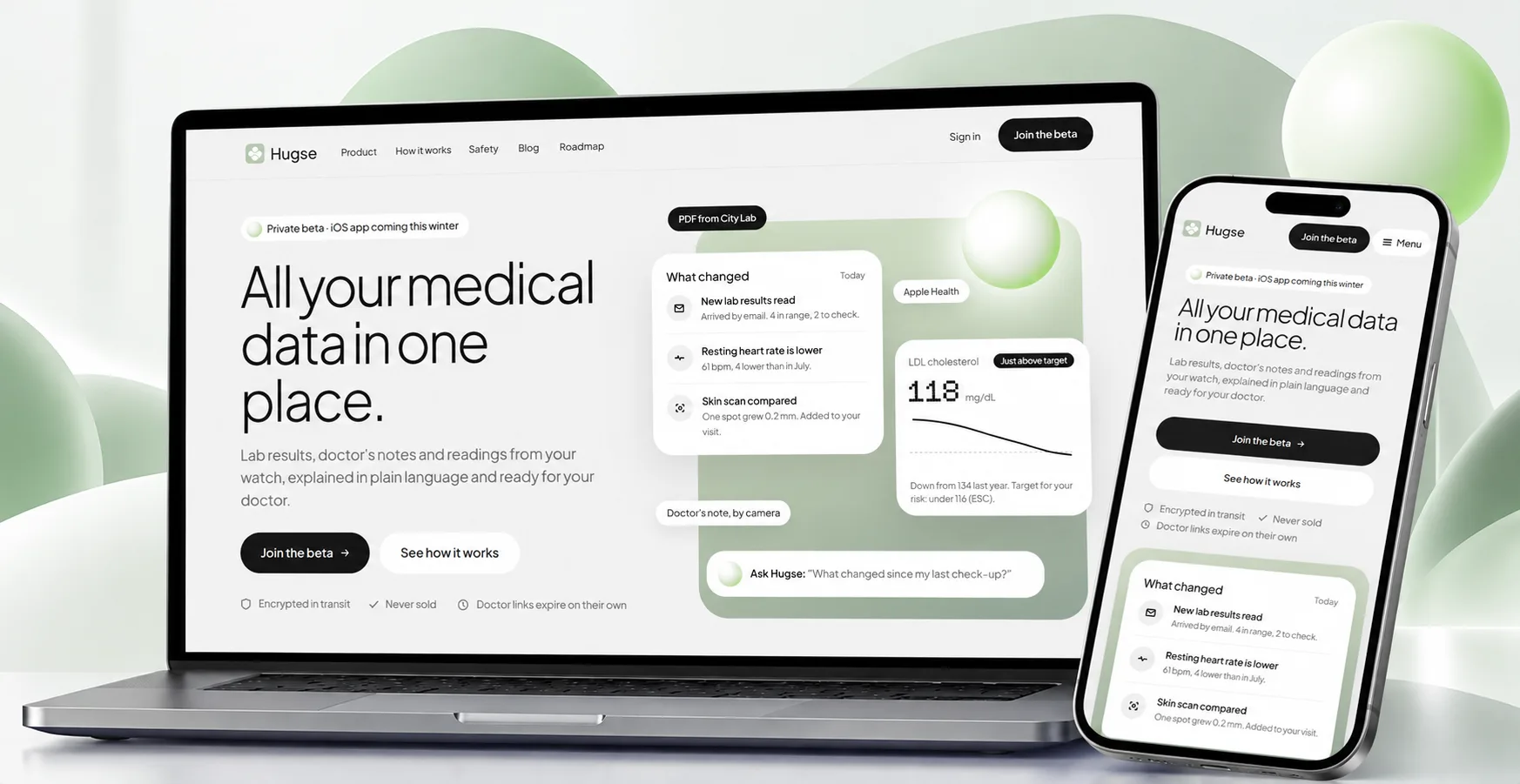
Streamline your financial performance with our AI-powered co-pilot, providing actionable insights to drive business growth and optimize financial operations.
Navigating the Complexity of Business Goal Tracking in Fintech with AI Co-Pilots
The world of fintech is rapidly evolving, with businesses constantly seeking innovative ways to stay ahead of the curve. One area that requires meticulous attention is business goal tracking – a process that can make or break an organization’s success. Traditional methods of goal setting and tracking often rely on manual data entry, excel spreadsheets, and scattered reports, leading to inefficiencies, missed deadlines, and a lack of clarity on progress.
However, with the advent of Artificial Intelligence (AI) and Machine Learning (ML), businesses are now poised to take their goal tracking to the next level. AI co-pilots can analyze vast amounts of data, identify patterns, and provide actionable insights that help organizations achieve their goals more effectively than ever before. In this blog post, we’ll delve into the world of AI co-pilots for business goal tracking in fintech, exploring their benefits, applications, and potential impact on the industry at large.
Problem
Traditional goal-tracking methods in fintech often fall short when it comes to accuracy and scalability. Manual spreadsheets and pen-and-paper methods can be time-consuming and prone to errors, while more sophisticated tools may be too expensive or complex for small teams.
Specifically, fintech businesses face the following challenges:
- Inaccurate tracking of financial metrics, leading to poor decision-making
- Difficulty in scaling goal-setting processes as the business grows
- Lack of real-time visibility into key performance indicators (KPIs)
- Limited ability to automate data entry and updates
- Insufficient analytics capabilities to inform strategic decisions
By using a traditional approach, fintech businesses may struggle to:
- Stay on top of rapidly changing financial markets
- Identify areas for cost savings and revenue growth
- Make data-driven decisions with confidence
- Scale their operations efficiently
Solution Overview
An AI co-pilot can be integrated into existing business operations to enhance goal tracking in fintech. This solution leverages machine learning algorithms and natural language processing techniques to provide real-time insights and recommendations.
Key Features:
- Automatic Goal Tracking: The AI co-pilot continuously monitors key performance indicators (KPIs) and tracks progress toward established goals.
- Personalized Recommendations: Based on historical data and current trends, the system provides actionable advice for improvement or adjustment.
- Real-time Alerts: When anomalies are detected or critical thresholds are reached, the AI alerts relevant stakeholders, ensuring timely intervention.
- Data Analysis and Visualization: The co-pilot generates clear, concise visualizations of performance metrics, facilitating informed decision-making.
Example Use Cases:
- Loan Origination: Track loan applications and monitor key metrics such as interest rates, repayment schedules, and borrower creditworthiness to identify areas for improvement.
- Investment Portfolio Management: Analyze market trends, asset allocation, and performance metrics to provide data-driven recommendations for portfolio adjustments.
- Customer Acquisition and Retention: Monitor customer behavior, engagement metrics, and sales pipeline progress to optimize marketing strategies and improve retention rates.
Benefits:
- Improved Efficiency
- Enhanced Decision-Making Capabilities
- Increased Productivity
- Better Risk Management
Use Cases
An AI co-pilot for business goal tracking in fintech can address various pain points and opportunities across different industries and use cases. Here are a few examples:
- Improved Financial Planning: An AI co-pilot can analyze an organization’s historical financial data, identify trends, and provide personalized recommendations to achieve specific goals.
- Risk Management: By analyzing market data and regulatory requirements, an AI co-pilot can help fintech businesses identify potential risks and develop strategies to mitigate them.
- Portfolio Optimization: An AI co-pilot can optimize investment portfolios by analyzing market performance, risk tolerance, and other factors to ensure maximum returns while minimizing losses.
- Compliance Management: With the increasing regulatory landscape in fintech, an AI co-pilot can help businesses stay compliant by monitoring and reporting on changes in regulations and policies.
- Performance Analysis: An AI co-pilot can analyze key performance indicators (KPIs) and provide insights to identify areas for improvement, helping fintech businesses optimize their operations and make data-driven decisions.
- New Business Development: By analyzing market trends and customer behavior, an AI co-pilot can help fintech businesses identify new business opportunities and develop strategies to capitalize on them.
Frequently Asked Questions
General Questions
Q: What is an AI co-pilot for business goal tracking in fintech?
A: An AI co-pilot is a technology tool that uses artificial intelligence to help businesses track and achieve their goals, especially in the fintech industry.
Conclusion
Implementing an AI co-pilot for business goal tracking in fintech can revolutionize the way businesses achieve their objectives. By leveraging machine learning algorithms and natural language processing, such a system can analyze vast amounts of data, identify patterns, and provide actionable insights to inform decision-making.
Key benefits of this approach include:
- Automated data analysis: AI co-pilots can quickly process large datasets, freeing up human resources for high-level strategic planning.
- Personalized recommendations: By analyzing individual performance metrics and industry benchmarks, the system can offer tailored suggestions for improvement.
- Proactive risk detection: The AI-powered monitoring system can detect potential risks early on, enabling swift intervention to prevent financial losses.
While there are still challenges to overcome, such as ensuring data quality and addressing bias in machine learning models, the potential payoff is substantial. By embracing AI co-pilots for business goal tracking, fintech companies can gain a competitive edge, optimize resources, and drive long-term success.