AI is transforming how businesses operate, but not every task should be automated. Many companies actively use ai for business to improve speed, reduce operational costs, and simplify complex workflows. At the same time, effective use of ai applications in business requires a clear understanding of where automation adds value and where human expertise must remain.
The main objective is to build systems where AI supports people instead of replacing them. This balanced approach helps companies stay efficient while maintaining control over important decisions. As a result, businesses achieve better performance and more sustainable growth.
The Rise of AI in Business Processes
AI is becoming a standard part of business operations in many industries. It is no longer limited to large enterprises and is now accessible to companies of different sizes.
AI adoption is accelerating across industries and business functions.
Companies invest in AI because the benefits of ai are practical and measurable. AI improves data processing, reduces manual workload, and increases accuracy in everyday tasks. These improvements help organizations operate faster and make better use of their resources.
One of the most important ai trends is the integration of AI into core processes such as analytics, customer service, and internal management systems. The future of ai in business shows continuous growth, where AI becomes a key element of digital strategy and long-term development.
What AI Does Better Than Humans
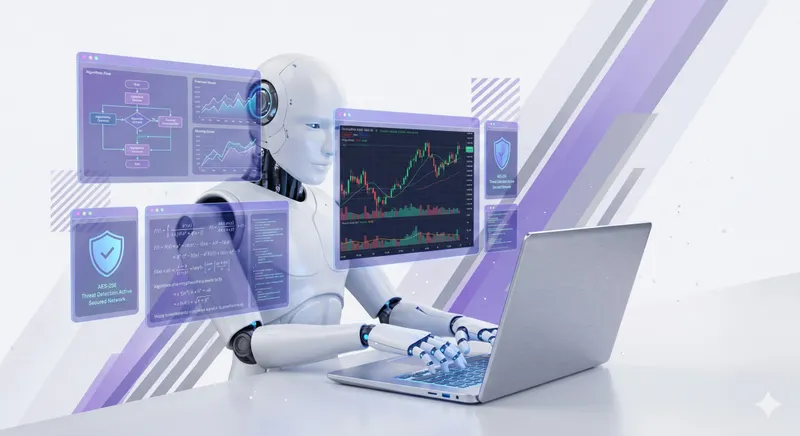
AI systems are highly effective in structured and repetitive environments. They are designed to perform tasks that require consistency and speed.
AI excels at repetitive, data-driven, and scalable tasks.
AI can process large volumes of data much faster than humans and with fewer errors. By using ai automation tools, businesses can automate tasks that require accuracy and repetition. This includes operations such as data entry, transaction processing, and system monitoring.
With ai workflow automation, companies create continuous processes that do not depend on manual input. This leads to improved efficiency, reduced delays, and more stable performance across different business functions.
What Humans Still Do Better
Despite technological progress, human skills remain essential in many areas. AI cannot fully replace human judgment and creativity.
Creativity, strategic thinking, and emotional intelligence remain human strengths.
Humans are better at understanding complex situations, interpreting context, and making decisions that involve uncertainty. In many ai use cases, AI provides data analysis, but people are responsible for final decisions. This combination ensures that decisions are both data-driven and context-aware.
Knowing how to use ai in business means recognizing the importance of human input in leadership, communication, and innovation. These areas require flexibility and critical thinking, which AI cannot fully replicate.
Tasks That Should Be Fully Automated
Some business processes are clearly suitable for automation. These tasks are repetitive, predictable, and based on defined rules.
Routine processes such as data processing, reporting, and support workflows.
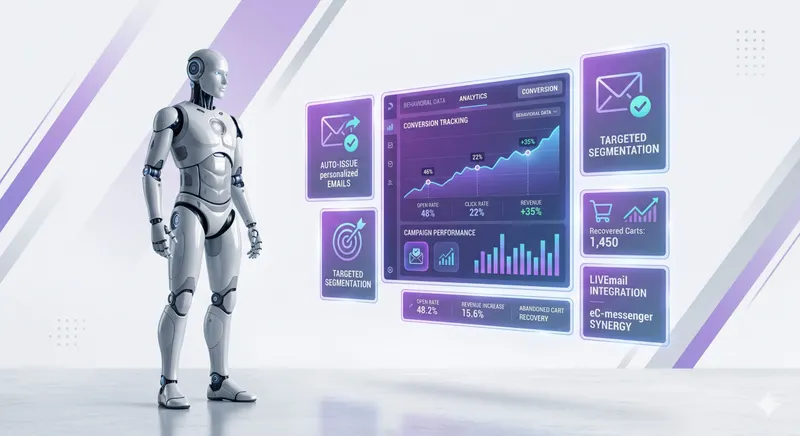
Using ai automation, companies can handle routine operations more efficiently. Tasks such as report generation, scheduling, and basic customer interactions can be completed faster and with fewer errors. This improves overall productivity and reduces operational costs.
With ai workflow automation, organizations can create systems that run continuously without interruptions. Employees can then focus on more complex tasks that require analysis, communication, and decision-making.
Tasks That Should Stay Human-Led
Certain responsibilities require human involvement and should not be automated. These tasks are critical for long-term business success.
Decision-making, leadership, and innovation require human involvement.
Strategic planning and leadership decisions require experience, intuition, and understanding of business context. During ai transformation, companies must ensure that these processes remain under human control. This approach helps maintain flexibility and adaptability in changing environments.
AI can support decision-making by providing insights and recommendations. However, final responsibility should always remain with human professionals who can evaluate risks and consider broader implications.
Hybrid Approach: AI + Human Collaboration
The most effective business models combine AI capabilities with human expertise. This approach allows companies to use the strengths of both.
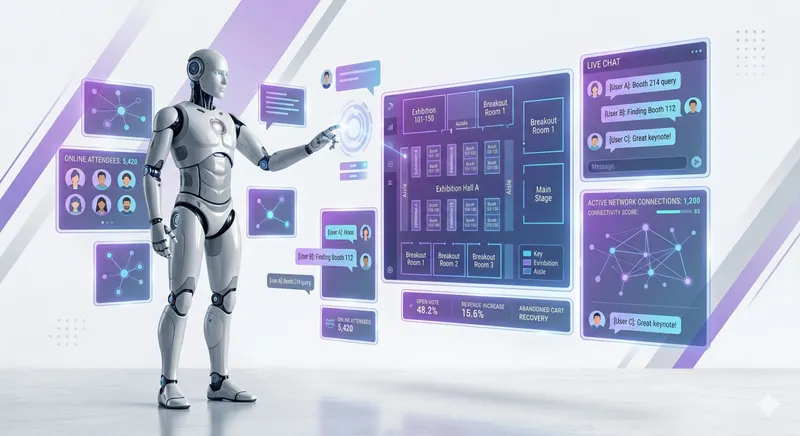
The most effective systems combine automation with human oversight.
With proper ai integration, businesses can create systems where AI handles operational tasks while humans focus on strategy. This structure improves efficiency without reducing control over important processes. It also allows faster response to changes and new challenges.
Through effective ai system integration, organizations ensure that AI tools work seamlessly with existing systems. This creates a unified environment where data flows smoothly and decisions are supported by accurate information.
Industry Examples of AI vs Human Work
Different industries apply AI in different ways depending on their needs and priorities. Each sector finds its own balance between automation and human input.
Different industries adopt different automation strategies.
In ai in fintech, AI is used for fraud detection, risk analysis, and transaction monitoring. These processes require fast data processing and high accuracy. At the same time, human experts manage investment strategies and maintain client relationships.
In saas product development, AI supports testing, debugging, and performance optimization. However, product strategy, design decisions, and user experience remain human responsibilities. This combination ensures both technical efficiency and market relevance.
Common Mistakes in AI Automation
AI implementation requires careful planning and clear objectives. Without proper strategy, automation can lead to negative results.
Over-automation or poor implementation leads to inefficiencies.
One common issue is automating processes without understanding their value. Another problem is introducing AI without proper system integration. These mistakes can reduce efficiency instead of improving it.
Without professional ai transformation services, businesses risk building fragmented systems that do not deliver expected results. In addition, weak ai enterprise solutions may lead to low adoption and operational challenges. A structured approach is necessary to avoid these risks.
How ReNewator Builds Balanced AI Systems
A reliable partner plays an important role in successful AI implementation. Expertise and experience help avoid common mistakes.
We design AI solutions that enhance human capabilities, not replace them.
ReNewator provides professional ai consulting services to analyze business needs and identify automation opportunities. As an experienced ai services company, the team develops solutions that integrate smoothly into existing processes. This ensures minimal disruption and maximum efficiency.
The focus is on creating systems that support employees and improve overall performance. Each solution is designed to be scalable, secure, and aligned with business goals.
The Future of Human + AI Collaboration
The relationship between AI and humans will continue to evolve. Businesses will rely more on combined systems.
Businesses will increasingly rely on hybrid intelligence systems.
The future of ai is based on collaboration rather than replacement. Companies will use AI to handle operational tasks while humans focus on strategic development. This model supports both efficiency and innovation.
With advanced scalable software solutions, organizations will be able to grow without losing control over quality and performance. This balanced approach will define the next stage of digital transformation.
Frequently Asked Questions
Q: Will AI replace human workers?
AI will automate routine and repetitive tasks, but it will not fully replace human workers. Human involvement remains essential for decision-making, leadership, and innovation. The future will focus on collaboration between AI and people.
Q: What tasks should not be automated?
Tasks that require creativity, strategic thinking, and emotional intelligence should not be automated. These include leadership decisions, complex problem-solving, and relationship management. Human judgment is critical in these areas.
Q: How do you balance AI and human work?
Balance is achieved by automating routine processes and keeping human control over strategic tasks. AI supports efficiency, while humans provide direction and decision-making. This combination creates optimal business performance.
Q: Is AI automation cost-effective?
Yes, AI automation can significantly reduce operational costs and improve efficiency. However, it must be implemented correctly to deliver value. Poor implementation can lead to additional expenses and inefficiencies.
Q: How do you start implementing AI in business?
The first step is to define clear goals and identify processes suitable for automation. After that, businesses should work with experienced professionals to design and integrate AI solutions. A structured approach ensures successful implementation and long-term benefits.