Digital Frontiers: How eComXpo Pioneered the Virtual Convention Model in the Mid-2000s
In the mid-2000s, as the internet transitioned from a collection of static web pages into the interactive era of Web 2.0, traditional business practices began to face digital disruption. Among the most deeply entrenched of these traditions was the physical trade show. For decades, industries had relied on massive, resource-heavy gatherings in physical venues. However, between 2005 and 2006, a platform called eComXpo emerged as a pioneering case study, offering a fascinating glimpse into the birth of virtual networking.
The Shift to 2D Spaces
Before the normalization of video conferencing and remote work, the idea of replacing a physical convention with an event hosted entirely in cyberspace was highly experimental. The traditional trade show model was defined by its physical footprint — mammoth, windowless buildings erected on prime real estate, such as Chicago’s McCormick Place.
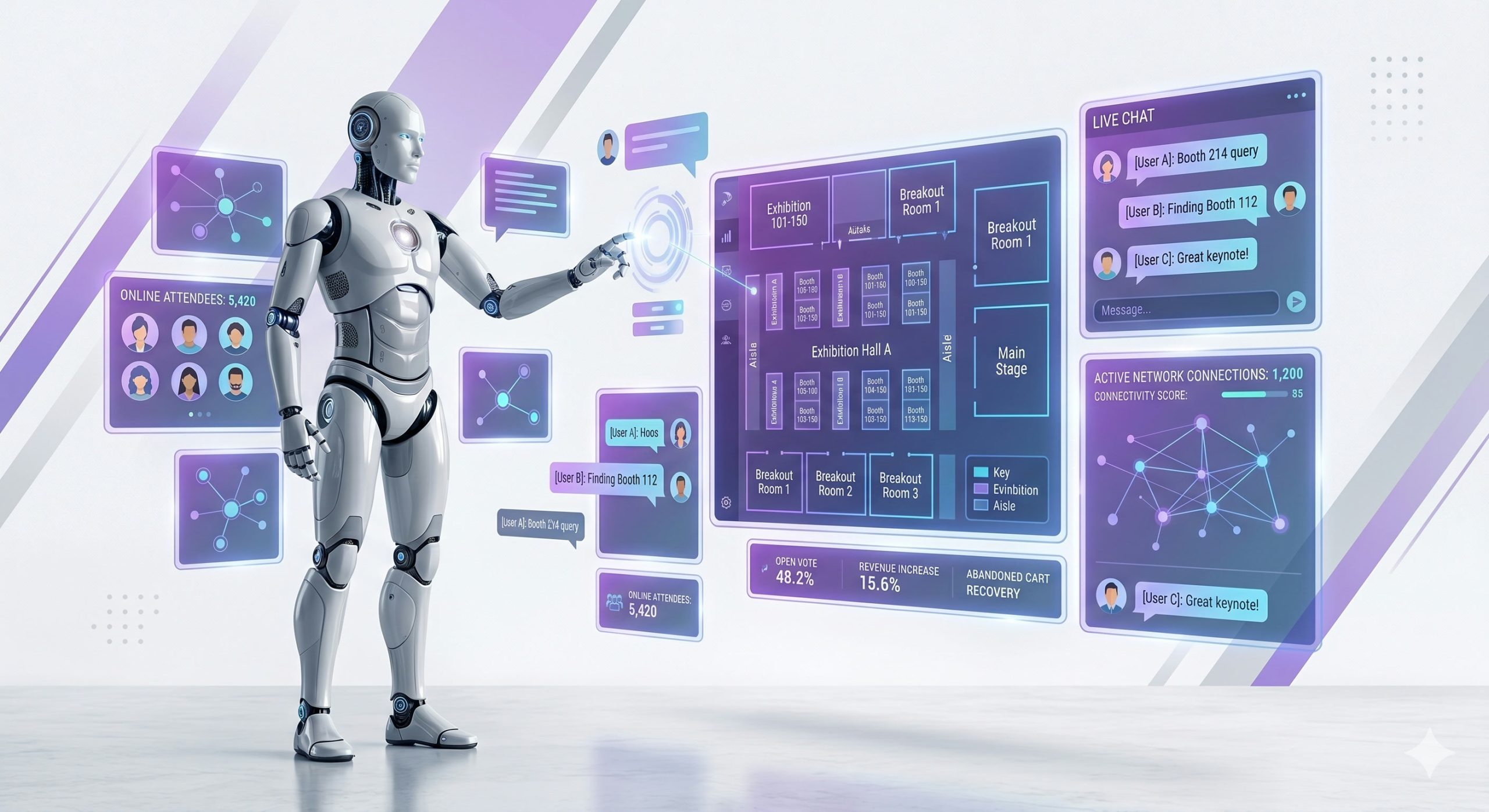
eComXpo represented a deliberate shift to a “two-dimensional” event space. Designed specifically for professionals looking to drive traffic and customers to their websites, the show’s interface mimicked the physical world much like a video game. Attendees were presented with an overview map of the convention floor. By clicking on a specific booth, the display brought the vendor’s space into full view, populated with small icons indicating which representatives and attendees were currently “in” the booth. From there, participants could click on these icons to initiate instant messaging (IM) conversations, effectively simulating the serendipitous encounters of a convention hall.
Operational Advantages: Escaping the Convention Floor
The immediate appeal of this digital alternative lay in its stark contrast to the logistical nightmares of traditional travel. Early proponents of the virtual model championed several operational and personal advantages:
- Zero Travel Friction: The probability of lost luggage or delayed flights was reduced to zero.
- Physical Comfort: Attendees no longer needed to invest in “comfort shoes” to survive miles of concrete walking, avoiding the ubiquitous post-show lower back pain.
- Controlled Interactions: The virtual environment allowed vendors to drop the permanent, exhausting “Pleased to meet you” grin. It also afforded them the luxury of simply ignoring pesky inquiries or unwanted media drop-ins.
- Better Catering: As eComXpo’s founder wryly noted, virtual attendees were spared the “mystery pasta” traditionally served at convention center lunches.
Data-Driven Networking: Solving the “Business Card” Problem
The most significant innovation of eComXpo wasn’t just geographical convenience; it was the digitalization of networking data. John Grosshandler, a former internet infrastructure salesman from Highland Park and the creator of eComXpo, recognized a fundamental flaw in traditional trade shows: poor lead capture and follow-up.
Grosshandler identified “post-show conversion” — the act of turning brief conversations into actual business — as the hardest part of the physical convention model.
“What you’ve got is a person’s business card and your scribbles,” Grosshandler noted.
eComXpo solved this by providing a comprehensive, automated digital paper trail. Every IM chat an attendee had in a booth or the virtual “Lounge” was recorded and logged. Instead of trying to decipher handwritten notes on the back of a card weeks later, exhibitors left the event with perfectly transcribed, searchable records of every interaction, fundamentally shifting networking from a memory-based exercise to a data-driven process.
Grosshandler remained realistic about the platform’s limitations, acknowledging that virtual events lacked the traditional handshake or the intimacy of buying a client a drink at the hotel bar. “It’s not a substitute,” he admitted, “but it’s a nice extension.”
Market Scale & Blue-Chip Sponsorship
The industry’s appetite for this “extension” was immediately evident in the platform’s rapid growth. Though attending the convention was free for the public, exhibiting required a paid digital footprint. By attracting major “Platinum” sponsors who paid between $5,000 and $10,000 for premium placement, eComXpo proved the financial viability of the virtual model.
The event’s growth trajectory between its inception and its fourth iteration was striking:
- February 2005 (Inaugural Event): 92 exhibitors and 1,600 attendees.
- October 2006 (Fourth Event): 450 paid exhibitors and 7,500 registered participants.
This rapid scaling attracted heavyweights of the early internet era. Blue-chip tech giants including Google, Yahoo, and Microsoft not only sponsored the event but actively staffed digital booths, validating the platform as a serious B2B channel.
The Broader Cultural Context of 2006
eComXpo did not exist in a vacuum; it was part of a broader mid-2000s cultural wave that saw formerly physical activities migrating to digital realms. In the literary world, novelist Margaret Atwood was pioneering the virtual book signing via the LongPen, a technology simultaneously embraced by the Abraham Lincoln Book Shop in Chicago. Meanwhile, Second Life was gaining mainstream attention as a vast online society, functioning as a hyper-advanced digital playground for adults.
The culture of eComXpo reflected the quirky, text-based nature of mid-2000s internet communities. In the
virtual lounge, developers cracked tech-centric jokes (“Still working on the cheese dispenser
[for DownloadPizza.com]. Clogs the COMM port”), while attendees used rudimentary text emoticons like
:) to express polite amusement. The platform even facilitated real-world romance, with at least
one couple meeting via eComXpo chat rooms before successfully transitioning their relationship to “three
dimensions.”
Historical Perspective and Legacy
Looking back, eComXpo served as a vital bridge between the static message boards of Web 1.0 and the sophisticated, video-first virtual event platforms of the modern era. While it lacked the high-definition video streaming capabilities of today’s tech landscape, its core concepts — clickable sponsor booths, digital lounges, automated lead capture, and tiered virtual sponsorships — are still the foundational building blocks of the modern virtual events industry.
The platform’s success and innovative framework eventually led to its acquisition by InXpo, a major player that would go on to dominate the virtual events and enterprise video broadcasting space. Through this acquisition, the DNA of eComXpo was woven into the broader enterprise software ecosystem, cementing its legacy as an early, highly successful pioneer of the digital convention model.